English
  • English
  • Portugal
  • Español
  • عربي
  • Türk

English
  • English
  • Portugal
  • Español
  • عربي
  • Türk

Epoxy Resin for Stone Slab back netting/fiberglass mesh reinforcement | ANMYZ AZ-1682

Stone adhesive/Epoxy Resin for marble/granite Slab back net/fiberglass mesh reinforcement
Application:
Mainly used in various types of stone (marble, limestone, granite, sandstone) back glass fiber mesh reinforcement operation. It can replace the models:
RESIN 5008 with bb25.
Nebrax 121 with catalyst

Price Interview

Price Interview

Epoxy Resin for Stone Slab back netting/fiberglass mesh reinforcement | ANMYZ AZ-1682

Interview

Select the number of specifications

Please check the product information you want!

Product Detail

Mix ratio:A:B=4:1                       

Color:Colorless and transparent liquid.                            

Viscosity(25℃,mPa•s):

A:800-1200

B:300-500                                

Gel time(25℃,min): 15-25                                       

Hardening time(25℃,h):3-4                    

Tensile shear strength(MPa):≥8 


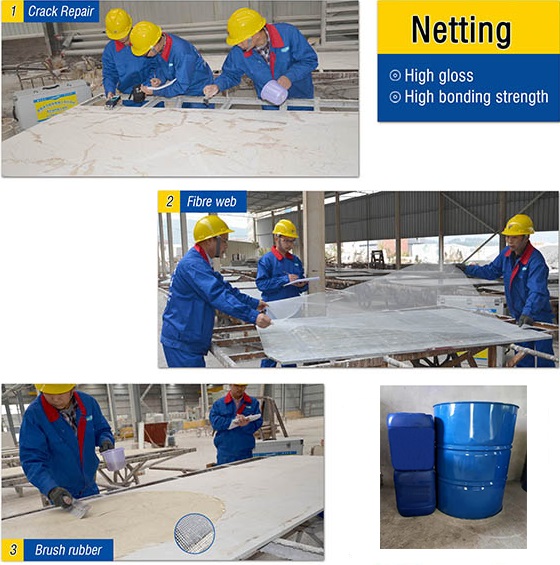
It can be used for the surface of marble to be coated with glue, which can repair the cracks and holes on the marble surface, and increase the surface brightness of marble after grinding.


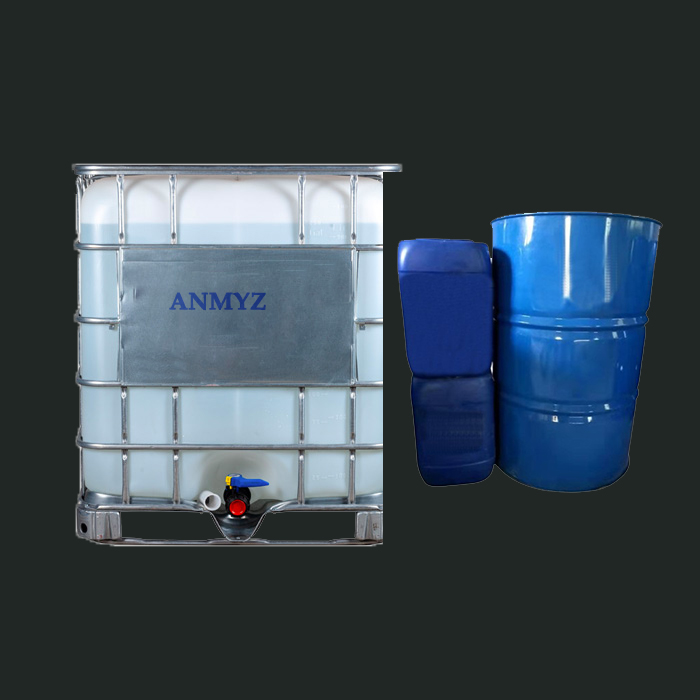
250kg/set


[Product advantages]

1.High adhesion and strength, high penetration to small cracks,

2.Low odor, do no harms to workers;

3.Good age and yellowing resistance;

4.This product meet the standard of GB18583, ROHS, it is environmental friendly

[Instructions]

1. Slabs treatment

Slabs should be totally dry.

Remove the mud, oil or other purity on the slab surface.

2. Prepare the glue and mix

Mix the glue by A:B=4:1(by weight) completely

Please use up the glue within the pot life. The glue will be fever and is prohibited to use when beyond the pot life. The more of the glue mixed, and the higher of the temperature, the shorter the pot life. If mixed too much glue, please divide quickly to use. 

Do not mix the cap of A and B. Please seal the caps anytime in case the moisture and dash from the air.

The plated with big open mouth container is recommend for glue mixing to extend the pot life of glue

3. Spreading the glue

Spread the glue evenly on the surface of slab with scrape back and forth. The recommend using weight is 80-150g/㎡。

For the cracks on slabs, spread glue back and forth to make the glue penetrate completely.

For the big defects on the slab, such as the soil, please remove first, then mix the glue and stone powder to fix it. Polish after cured, then spread the glue.

Please do not use the non epoxy and other slab surface treatment agent, or it will be not suitable for the epoxy glue spreading.

4. Glue solidify

The glue will be initially cured in 2-3 house under room temperature(25℃)It can be proceed to next procedure after 24 hours;

If possible, heat up the stone with adhesive to 50-60 ℃ and polish it after 2-3 hours.

Before the adhesive cured, the stone should be placed horizontally and not stacked; after cured, the lubricants such as talcum powder can be applied on the stone surface, to avoid stone adhesion when they are stacked.

5. Clean up

Use the specialized cleaner to clean the apparatus before the glue cured.


FAQ:

How to choose epoxy resin for Stone back netting?

Choosing the right epoxy resin for stone back netting (reinforcing fragile stone slabs, marble, or granite tiles with fiberglass or mesh backing) requires evaluating specific technical and environmental factors:

1. Viscosity 

• Low-to-Medium Viscosity : Ideal for back-netting. It needs to flow easily enough to wet out the fiberglass mesh and seep into tiny micro-fissures or pores in the stone, creating a strong structural tie.

• Avoid High Viscosity  High-viscosity or paste-like epoxies (mastics) are meant for vertical gap-filling or anchoring, not for soaking through mesh to bond smoothly across a slab.

2. Curing Time and Temperature 

• Standard vs. Winter Grades: Standard epoxy formulas typically require ambient temperatures above 10°C to 15°C to cure properly.

• Low-Temperature Formulations: If working in colder factory or winter conditions, look for specialized cold-cure systems (such as low-temperature mesh-backing epoxies designed to remain reactive around 10°C or lower with controlled pot-life/curing time like 50 minutes).

3. Solid Content and Shrinkage 

• 100% Solids Epoxy: Choose a 100% solids formulation to minimize shrinkage as it cures, ensuring the mesh stays tightly bonded to the stone without pulling, warping, or curling thin slabs.

4. Compatibility with Subsequent Adhesives 

• Mortar Adhesion: Resin backings can create a slick surface that reduces the grip of standard thin-set or latex-modified mortar.

• Ensure the epoxy system works well with recommended installation standards (such as using epoxy-based adhesives like LATICRETE LATAPOXY 300 or broadcasting coarse sand into the wet resin layer if using traditional mortars).

5. Flexibility and Impact Resistance

• Stone back-netting undergoes stress during transport, handling, and installation. The cured epoxy should offer a balance of high tensile strength and slight flexibility rather than becoming brittle, which helps prevent the mesh from debonding under mechanical stress.


No comment

Product Detail

Mix ratio:A:B=4:1                       

Color:Colorless and transparent liquid.                            

Viscosity(25℃,mPa•s):

A:800-1200

B:300-500                                

Gel time(25℃,min): 15-25                                       

Hardening time(25℃,h):3-4                    

Tensile shear strength(MPa):≥8 


It can be used for the surface of marble to be coated with glue, which can repair the cracks and holes on the marble surface, and increase the surface brightness of marble after grinding.


250kg/set


[Product advantages]

1.High adhesion and strength, high penetration to small cracks,

2.Low odor, do no harms to workers;

3.Good age and yellowing resistance;

4.This product meet the standard of GB18583, ROHS, it is environmental friendly

[Instructions]

1. Slabs treatment

Slabs should be totally dry.

Remove the mud, oil or other purity on the slab surface.

2. Prepare the glue and mix

Mix the glue by A:B=4:1(by weight) completely

Please use up the glue within the pot life. The glue will be fever and is prohibited to use when beyond the pot life. The more of the glue mixed, and the higher of the temperature, the shorter the pot life. If mixed too much glue, please divide quickly to use. 

Do not mix the cap of A and B. Please seal the caps anytime in case the moisture and dash from the air.

The plated with big open mouth container is recommend for glue mixing to extend the pot life of glue

3. Spreading the glue

Spread the glue evenly on the surface of slab with scrape back and forth. The recommend using weight is 80-150g/㎡。

For the cracks on slabs, spread glue back and forth to make the glue penetrate completely.

For the big defects on the slab, such as the soil, please remove first, then mix the glue and stone powder to fix it. Polish after cured, then spread the glue.

Please do not use the non epoxy and other slab surface treatment agent, or it will be not suitable for the epoxy glue spreading.

4. Glue solidify

The glue will be initially cured in 2-3 house under room temperature(25℃)It can be proceed to next procedure after 24 hours;

If possible, heat up the stone with adhesive to 50-60 ℃ and polish it after 2-3 hours.

Before the adhesive cured, the stone should be placed horizontally and not stacked; after cured, the lubricants such as talcum powder can be applied on the stone surface, to avoid stone adhesion when they are stacked.

5. Clean up

Use the specialized cleaner to clean the apparatus before the glue cured.


FAQ:

How to choose epoxy resin for Stone back netting?

Choosing the right epoxy resin for stone back netting (reinforcing fragile stone slabs, marble, or granite tiles with fiberglass or mesh backing) requires evaluating specific technical and environmental factors:

1. Viscosity 

• Low-to-Medium Viscosity : Ideal for back-netting. It needs to flow easily enough to wet out the fiberglass mesh and seep into tiny micro-fissures or pores in the stone, creating a strong structural tie.

• Avoid High Viscosity  High-viscosity or paste-like epoxies (mastics) are meant for vertical gap-filling or anchoring, not for soaking through mesh to bond smoothly across a slab.

2. Curing Time and Temperature 

• Standard vs. Winter Grades: Standard epoxy formulas typically require ambient temperatures above 10°C to 15°C to cure properly.

• Low-Temperature Formulations: If working in colder factory or winter conditions, look for specialized cold-cure systems (such as low-temperature mesh-backing epoxies designed to remain reactive around 10°C or lower with controlled pot-life/curing time like 50 minutes).

3. Solid Content and Shrinkage 

• 100% Solids Epoxy: Choose a 100% solids formulation to minimize shrinkage as it cures, ensuring the mesh stays tightly bonded to the stone without pulling, warping, or curling thin slabs.

4. Compatibility with Subsequent Adhesives 

• Mortar Adhesion: Resin backings can create a slick surface that reduces the grip of standard thin-set or latex-modified mortar.

• Ensure the epoxy system works well with recommended installation standards (such as using epoxy-based adhesives like LATICRETE LATAPOXY 300 or broadcasting coarse sand into the wet resin layer if using traditional mortars).

5. Flexibility and Impact Resistance

• Stone back-netting undergoes stress during transport, handling, and installation. The cured epoxy should offer a balance of high tensile strength and slight flexibility rather than becoming brittle, which helps prevent the mesh from debonding under mechanical stress.


Epoxy Resin for Stone Slab back netting/fiberglass mesh reinforcement | ANMYZ AZ-1682
Stone adhesive/Epoxy Resin for marble/granite Slab back net/fiberglass mesh reinforcement
Application:
Mainly used in various types of stone (marble, limestone, granite, sandstone) back glass fiber mesh reinforcement operation. It can replace the models:
RESIN 5008 with bb25.
Nebrax 121 with catalyst
Long press to look detail
Long by picture save/share
INQUIRY

enquiry form:

  • Please enter the verification code

Inquiry Content:


You have no items to require

Add Successfully

Epoxy Resin for Stone Slab back netting/fiberglass mesh reinforcement | ANMYZ AZ-1682

enquiry
INQUIRY

enquiry form:

  • Please enter the verification code

Inquiry Content:


You have no items to require

Add Successfully

PRODUCTS

Stone Adhesive

Fiberglass mesh/woven

Abrasive

Diamond tools


        CONTACT


Tel: +852-59278153 
Tax:+852-59278153

Email : [email protected]

COMPANY

About   |  Production Ability    |   Our Advantages   |   Trade Capacity


PRODUCTS

Stone adhesive   |   Fiberglass mesh/woven

Abrasive   |   Vaccum Perfusion System

Copyright © 2015-2035 Anmyz Industry Ltd. All Rights Reserved. 

Phone
+86-15920009441
Working Time
9:00 AM to 5:00 PM
Qrcode
Whatsapp
Add WeChat friend to learn more about the product
Use Enterprise WeChat
"Scan" to join the group chat
Copy success!
Add WeChat friend to learn more about the product
I see.